When You Become a "Liability"
In transactional relationships, it's easy to slip from being an asset to being a liability

The first time I heard someone refer to a human being as a “liability” was when I was tasked with taking testimonies from teenagers about the abuse they were suffering from their teacher who was coaching them in competitive basketball.
One student told me that the teacher said she was a “liability” and called her “libi” for short. I found this perplexing, not only because it struck me as a foreign term when describing, let alone directly labelling, a student, but also because this girl was in fact a notable “asset” to her team, if we want to continue the application of financial terms to children.
After studying abuse cultures for years with a specific focus on what is occurring in the brain of an abuser, all of this makes sense. Since the term “liability” is being applied to an individual in our recent news cycle, it might be helpful to explain how it works on a brain science level.
How abusive individuals see others
Those who bully and abuse see others as objects. They are merely game pieces to move around. They are cards the abuser can hold back or chooses to play. Martin Buber famously expressed this phenomenon by contrasting a healthy human relationship that operates as “I and thou” with a transactional or abusive relationship that is constructed as “I and it.” It’s a red flag that when you are called a “liability,” it means you’re being seen as an “it.”
You can quickly be categorized as a “liability” if you threaten the abuser’s ego. If you’re really good at what you do or take the spotlight in any way, the abuser is likely to attack with a put-down or other means of harming you. The abuser needs to show power and if you take any of that power from them, they are likely to use passive aggression to sideline you. They’ll act like you’re not there. Won’t speak to you or mention you. They’ll ignore you. The message is loud and clear: you don’t really matter. You lack value. In fact, you’re a “liability.”
No guarantee of humane treatment in abuse dynamics
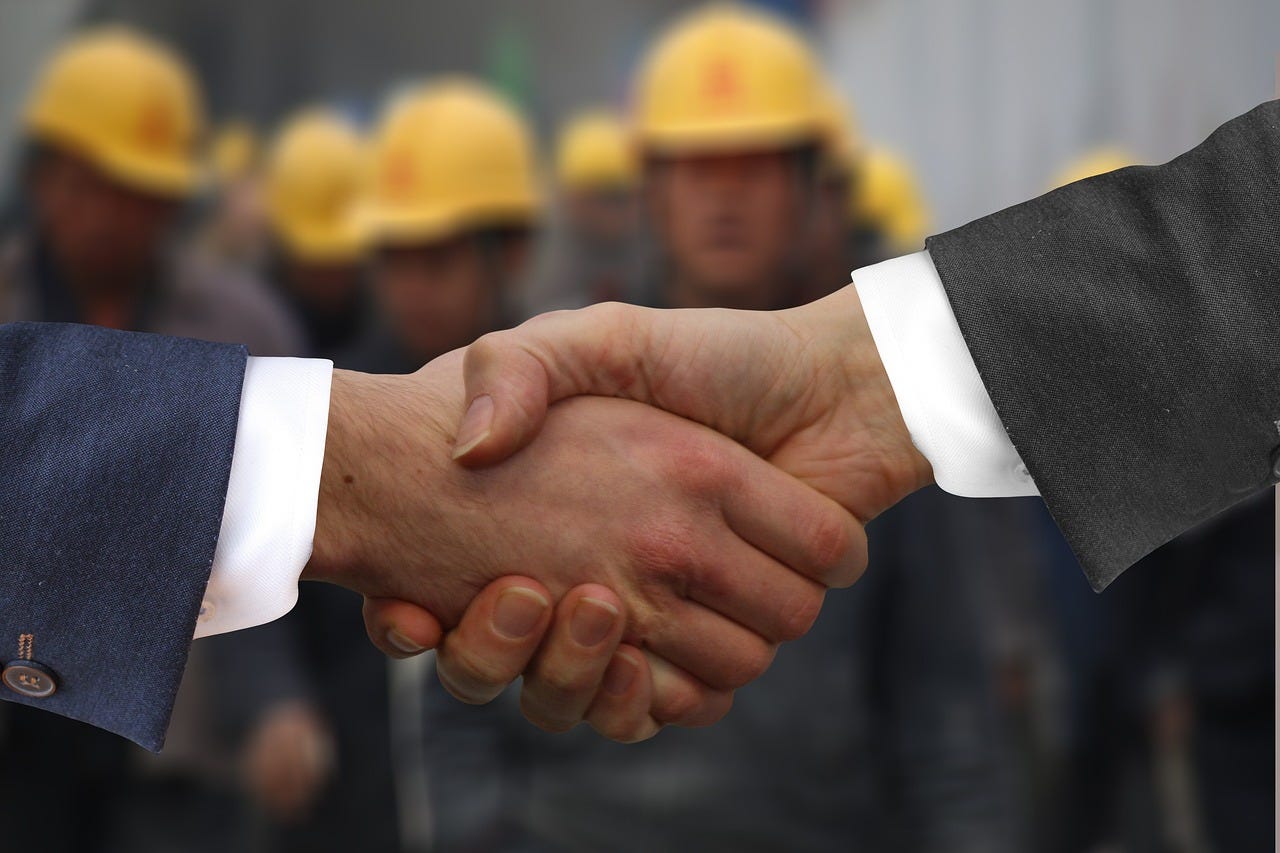
A handshake might be interpreted by a person as a guarantee of relationship or agreement or that a contract is signed off on, but if you’re dealing with a bully or abuser, they could simply be mimicking human interaction - which they are adept at - and using you as an asset. The second you can no longer perform for them or you expose them in any way, they’ll get rid of you.
You are not human to them. This is why they can demean you, degrade you, and dehumanize you. You are an object in their brain and they don’t have empathy that halts them from causing you pain. Leading researchers say the old-fashioned word for what they can do to you is “evil,” but in contemporary scientific terms what you’re dealing with is “empathy erosion.”
Don’t take it personally. Don’t be shocked. There are individuals who frequently rise to positions of power, credibility, and social standing who see others as objects that either serve them or no longer serve them and their agenda. If you’re referred to as a “liability” and discarded by them, it tells you they have brain deficits of a serious nature and getting away from them and their circle of influence is probably smart and healthy.
We used to call that being objectified. Women were objectified.
Are all institutions prone to objectifying their people?